Technology · 2026-10-21
Developing Solen, the frontier model for the trades
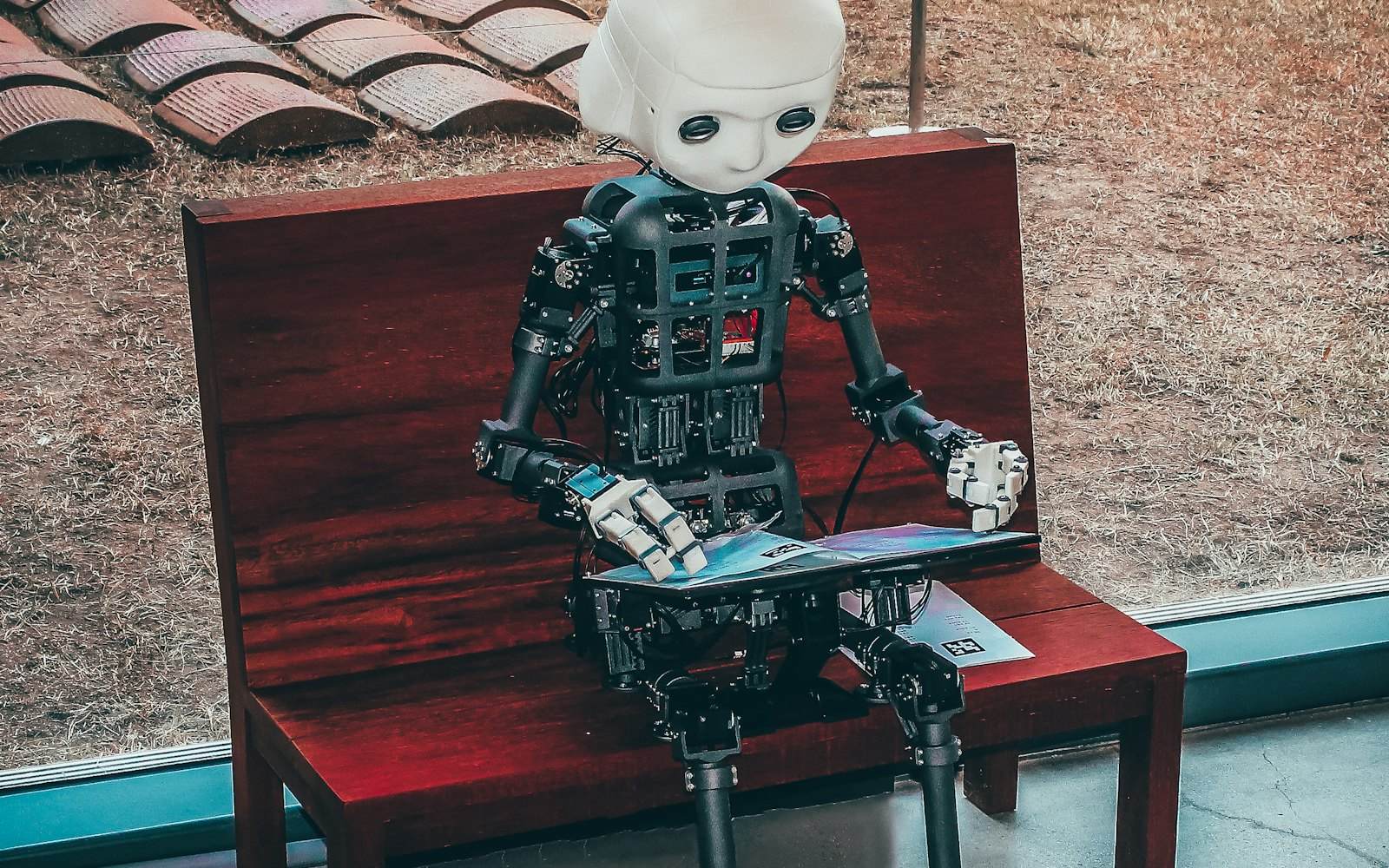
Sqyre is building Solen, a frontier model whose whole job is home service. Jason stays the voice. The model has to keep the fee, the day, and the photo honest across every trade.
The simple idea
We are building Solen. It is a frontier model for home service. HVAC, plumbing, electrical, roofing, lawns, cleaning, and the rest of the trades are the job. A general chatbot can talk about a furnace. Solen has to live with the truck, the calendar, the price book, and the sentence the shop is allowed to say.
Jason stays the name a customer hears. Solen is the model under that name. The phone still rings the shop. The board still lives in Sqyre. The new work is teaching a model the difference between a no-cool, a membership visit, a far pin, and a price that was never written down.
If you had to explain it to a neighbor who has never run a truck, you would say this. The person who answers can already sound calm. We are building the part that knows your trade well enough to stay calm and stay honest at the same time.
## What we mean by a frontier model
A frontier model is a large model trained to do hard work across a wide field, then held to a standard on the cases that matter. In a lab, the field might be every question a person can type. In a shop, the field is narrower and meaner. It is the Tuesday when three houses want the same morning, the part is still at the supply house, and the spouse wants a number before anyone has opened the cabinet.
Frontier, for us, means the model is big enough to follow a messy call, a photo, a route, and a price book in one pass. It also means we judge it on shop outcomes. Did it book a day the truck can reach? Did it repeat the visit fee you posted? Did it leave the repair price open until someone saw the job? A fluent paragraph that invents a same-day start is a failure, even if it sounds like a good dispatcher.
We are building Solen as the first model whose whole curriculum is this work. General models were trained to be useful everywhere. That is a different product. A model that is useful everywhere will try to be helpful on a leak, and helpful is how a shop gives away a diagnosis, a night, or a promise.
Solen is in development. Jason is the desk shops use now. The playbook, the price, and the open morning are already how Jason is supposed to talk. Solen is how we make that behavior the default of the model, across every trade we support, including the calls that do not look like the demo.
## Jason is the voice. Solen is the model.
Customers do not need a second name. They call the number on the invoice. Jason answers voice, text, and email, books into windows you opened, and keeps the thread on the job. That product exists. Hub shows the ticket in the morning. Team shows the stop to the person in the driveway.
Solen does not replace that desk. A shop should not meet a new personality at 9pm. The orb on Sqyre Hub stays Jason. The sentences he is allowed to send stay the sentences you trained. Solen is the system that has to understand the trade deeply enough to choose the right sentence, and to stay quiet when the right sentence has not been written yet.
Think of it as a shop you already know. The person at the counter has a name. The years of jobs behind the counter are a different thing. Jason is the counter. Solen is the years, built on purpose for home service, and wired so the counter can only sell what the shop can do tomorrow.
## Why a general model fails a Tuesday
A general model has read a lot of pages about air conditioners. It can define a capacitor. It can sympathize with a hot house. Sympathy is cheap. The failure is specific.
A homeowner calls at 2:14pm. Upstairs is 84 degrees. The membership visit is Thursday. The truck that can open a sealed system is already on the other side of town until 5. A general model hears urgency and offers comfort. Comfort sounds like "we can get someone out this afternoon." The afternoon does not exist. The review the next day is about the lie, and the membership visit on Thursday gets shoved because the tech is still catching up.
The same model fails a plumbing call in a different costume. "Water under the sink" becomes a guess of forty minutes and a friendly number. The shutoff is frozen. The supply line is the cheap kind. The cabinet is wet. The guess is now a fight. Read the leak that looks cheap. The model that prices the story on the phone is doing the same thing the tired owner does.
It fails a lawn call by being neighborly. A cousin on the far side of town gets squeezed into a fist of mows. The model optimized for a yes. The route needed a later day or a higher minimum. That is spatial reasoning, and a model that cannot see the shape of the day will keep drawing stars.
It fails after dark by filling silence. Silence feels rude to a model trained to always reply with something useful. A shop at 9pm needs a posted after-hours rate, a morning window, and a ticket. It needs a photo of the cabinet. It needs the model to wait on the repair price. Usefulness that skips those steps is how weekends die.
Solen is our answer to that pattern. The trades are full of moments where the kind sentence and the true sentence split. We are training for the true one.
## The sentence the model has to keep
Every shop has a sentence. Some owners have written it down. Many still carry it in their head and call that training.
The sentence for a one-truck shop sounds like this. I can put you on Thursday morning. Monday is full. The visit fee is posted, and the repair price waits until we see it.
A model that "improves" that sentence is the bug. Improvement, in the general sense, means warmer, faster, more accommodating. In a shop, warmer often means a day you cannot reach, a discount you did not offer, or a part you do not have on the truck. What a one-truck shop can promise is the spec. An answer, a written price, a day that is open, a receipt when the work is done. A start time you have not held is outside the spec.
Solen is being built so the playbook outranks the instinct to please. If the playbook says the visit is $89, the model repeats $89. If the calendar says Thursday, the model says Thursday. If the photo is missing, the model asks for the photo. If the owner has not written a rule, the model asks the owner. It books the work you already decided a shop like yours can do.
That is a harder product than a chatbot. Chatbots are praised for going beyond the question. A dispatcher who goes beyond the question creates a second company by accident.
## A weekday we keep in the work
We do not train Solen on slogans. We keep weekdays.
Here is one we return to. An HVAC owner is on the first no-cool at 7:12am. The office iPad is at the shop. A second house on the same street requests a visit. In the old world that request sits in voicemail until lunch. In Sqyre it is a request on the client, with the address tied to a record if they have ever paid. Jason can take the night version of this call. Solen has to know that this morning call is a dispatch problem, a membership problem, and a capacity problem at once.
The membership customer who paid for spring is not a lead. The no-cool is not a tune-up. The install that is waiting on a coil is not either of those. HVAC on Sqyre is three calendars wearing one name. A model that sees one calendar called "HVAC" will book the wrong truck.
Here is another. A plumber is offered a drip. The homeowner wants a number. The model collects the address, whether the water is off, whether there is a ceiling stain, and whether they want the after-hours rate or the morning window. It sends the visit fee. It leaves the repair as options after someone is under the sink. The good, better, and best prices live on the quote, with the wet-cabinet photo attached. Quotes hold that fork. The model proposes the fork from the trade, and your price book fills the numbers.
Here is a third. A lawn route has four stops on one street. A fifth address is forty minutes off. The model can see the pins because the stops live on the board. The answer is a later day, when the truck is already on that side, or a minimum that pays for the windshield. Politeness does not pay for the drive both ways. Routing is how the office sees the shape while the customer is still on the phone. Solen has to treat that shape as an input, the way a tech treats a ladder.
We stack these weekdays trade by trade. A model that only knows the HVAC Tuesday will sound lost on a roof. A model that only knows roofs will invent a chemical reading on a pool route. The curriculum is the whole book of trades Sqyre already serves.
## What Solen has to know before it speaks
Before Solen answers, it has to be looking at the shop, not at a generic idea of a shop.
It has to see the open window on scheduling. A day that is full is a fact. A day the customer hopes for is a wish. The model can name the fact.
It has to see the price book. Visit fees, after-hours rates, membership rates, trip charges, and the minimums for small work are numbers you set. Solen reads them. A different number appears only after you change the book.
It has to see the client. A member is different from a first call. A commercial account is different from a house. A customer you have already decided to stop serving is different from a referral. History is on the record. The model uses the record.
It has to see the part, when the part is known. A capacitor on the truck and a coil on order are different promises. "We can start Monday" is only true if Monday's work does not depend on a part that is still a wish.
It has to see the photo, when the job cannot be priced from a sentence. Panels, wet cabinets, hail, shade on a roof, a room that needs a scan, a pile of junk in a driveway. The photo is evidence. Job photos are how the next quote gets easier, and how the model stops guessing.
It has to see the thread. A call, a text, and an email about the same leak are one conversation if they live on the client. Split them, and the model will contradict the office by Thursday. Communications keep that thread. Solen writes into that same thread. The personal text thread stays out of the record.
It has to see the truck. Who is on which stop. Which tech can open a sealed system. Which helper can only do the filter visit. Which van is already in the neighborhood. Dispatch is a matching problem. A model that assigns "the next available" without the skill and the map will keep the board busy and the customers late.
When one of those inputs is missing, the correct behavior is a question or a handoff. A missing price book means ask the owner. A missing address means ask the caller. A missing open window means say you will confirm the day. A missing skill match means leave the assignment for a person. Confidence is earned by the record, and the record is something the shop can audit in the morning.
## HVAC
HVAC is the trade that taught us how fast a helpful sentence becomes a bad review.
No cool and no heat cannot wait in the same way a maintenance visit can wait. The maintenance visit is also real, because someone already paid for it. The replacement estimate is a third animal. It waits on a load, a photo of the closet or the attic, a line set, a panel, and a day you can actually start. Mix the three and the membership program dies in month three. That is the whole point of maintenance plans that stick. The second visit has to be on the calendar the day they sign.
Solen has to hear "it is not cooling" and ask the questions a decent dispatcher asks before rolling a sealed-system tech. Is the thermostat set to cool? Is the outdoor unit running? Is the filter a brick? Is anyone home? Is this a member? What is the posted after-hours rate if the call is at night? Which morning is actually open?
It has to resist the number. A homeowner will ask what a capacitor costs, what a new system costs, what you charge to "just look." The visit fee is the number you can say. The repair is a range or an option list after someone is on site. A full system is a quote with good, better, and best, written where the spouse can read it on the client portal.
The model also has to know the truck. The tech who can recover refrigerant is not always the tech who can swap a capacitor on a maintenance route. Tagging the job is part of understanding the trade. A board where every HVAC stop looks identical is how you send the filter helper to a leak.
Memberships are a promise you already sold. Solen should protect that date the way it protects an emergency. Moving a member to make room for a maybe is how a plan becomes a flyer. The emergency still gets a real window. The member keeps the visit they paid for, on a day you can reach, with the right person on the van.
## Plumbing
Plumbing is where the phone lies the most, because water stories are short and the work is not.
"Just a drip" can be a supply line, a frozen angle stop, a failed cartridge, a soft cabinet floor, and a drywall patch. Solen collects the facts a plumber needs before the van moves. Where is the water. Is it off. Is it spreading. Is there a stain on the ceiling below. Is the water heater leaking or is the house without hot water. Do they want the after-hours rate or the first open morning.
The diagnosis fee is the product on that first visit. Homeowners accept it when it is the same number every time and it is said before you roll. Solen says that number from the price book. The repair options come after the tech is looking at the shutoff.
Water heaters are a fork, not a single price shouted from the driveway. Tank, tankless, the venting, the pan, the permit, the haul-away. The quote lists them. The model can assemble the shape of that quote from the trade. Your prices and your exclusions fill it in. A model that blurts one number for "a water heater" is guessing with your reputation.
Emergencies still get a human pace. If water is uncontrolled, the right next step may be "shut it off here, we are on the way" inside a window you can keep. Solen is being taught the difference between a contained drip and a ceiling that is coming down. Those are different tickets, different rates, and different promises. Plumbers on Sqyre keep both on the same system so the night call and the invoice are one thread.
## Electrical
Electrical work hides in the panel, and the panel is a picture.
A homeowner says the lights flicker, or they want a charger, or a room keeps tripping. The price lives in the amperage, the spaces left in the panel, the grounding, the age of the gear, and whether the job is a device, a circuit, or a service change. Solen should ask for the photo and refuse to invent the service change from a vibe. Electrician photos that sell the panel are the quote. If the spouse can see the photo, you do not retell the story at dinner.
The model has to know what a shop will not do on a first call. Some owners open the panel. Some will not, until the visit fee is accepted and someone qualified is there. Some price EV chargers only after they see the panel and the run. Those are playbook rules. Solen carries them. A generic safety lecture is the wrong substitute for your rule.
Permits and utility coordination are part of the promise. A charger quote that ignores the panel is how the third visit becomes free. The model should put "panel photo, load, and the run" on the ticket before it offers a start date.
## Roofing
Roofing is where a model can wreck a name in a single storm week.
Hail, a leak, a tarp, an insurance conversation, and an install date are different jobs. Solen can collect the address, the slope if the caller knows it, whether water is coming in now, and the photos. It can book an inspection on a day you walk roofs. It can say the install waits on what you find and on the material. It keeps the start date closed until you open it.
Storm season fills a year or ruins a reputation. The failure mode is a model that hears panic and promises a crew this week because the caller is scared. Your crew is a number you can count. The dumpster, the dry-in, and the material are facts. Solen is being trained to treat "we will get you dried in if we can reach you" as a specific offer you wrote, and to treat "we will reroof the neighborhood by Friday" as a sentence that never ships.
Insurance is its own language. The model can gather the claim details you ask for. Coverage stays with the carrier. The shop does the work it was hired to do, and the paperwork stays on the ticket where the office can see it. Roofers on Sqyre keep the roof outside and the promise in the office. Solen has to keep those two attached.
## Lawns, routes, and the shape of a day
A lawn company sells density. Five houses on one street can pay the truck. Five houses in five directions can fill the tank and still miss payroll.
Solen has to see the fist and the star. The map is an input to the answer, the same way the price book is. When a new address sits inside tomorrow's cluster, the model can offer tomorrow if the crew has time. When it sits across town, the model offers the day you are already over there, or the minimum that pays for the windshield. Lawn route density is the lesson. Raising prices on a route you keep is the other lesson. A model that discounts to win a far lawn is undoing both.
Seasonal books are a second product. Spring cleanups, weekly mows, leaf season, and snow, if you also push snow, need their own rules. Solen should book the recurring stop as a route, and the one-off as a one-off, with a price that matches the work. A napkin that treats them as the same job is how April eats March's profit.
The model also has to handle the cousin call. Family is a reason people say yes. The truck still burns fuel. Solen can be warm and still move the pin. Warmth is the tone. The day is the decision.
## Cleaning, pest, and pools
Recurring work is where a model proves it understands a book of business, not just a hero call.
Cleaning sells the list. The rooms, the exceptions, the pets, the products the client forbids, and the person who will be home are the job. Solen should confirm the checklist, the window, and the price that matches the size of the house. Extra rooms stay extra. A discount waits until you offer one. Payment belongs when the list is done. Cleaners on Sqyre treat the checklist as the product. The model should too. A cheerful "we'll get everything" is how scope explodes in a group text after the crew leaves.
Pest control is a route that renews. The first visit and the quarterly visit are different shapes, and the exterior bait, the interior, and the wildlife exclusion are different skills. Solen can book the next visit before the tech leaves the driveway, because a plan without a next date is a flyer. It can repeat your prep instructions. The result it describes stays inside the service you actually sell. Pest routes that renew are the standard.
Pools are chemistry plus a clock. The reading, the filter, the salt cell, the green pool that is no longer a route stop, and the repair that needs a part are different tickets. Solen should log the stop, keep the route tight, and hand the repair to a quote when the route price does not cover it. Pool routes invoice the stop you actually made. The model should match the invoice to the stop, and keep a repair off the weekly rate.
## The rest of the trades
Home service is a long list, and Solen has to be literate in the list Sqyre already runs. A model that only speaks HVAC will be a costume on every other truck.
Painting is prep. Color is the easy part to talk about and the weak part to sell. Solen walks the rooms, the repairs, the ceilings, and the sheen, then offers options a spouse can see. One number shouted from the driveway is how paint jobs stall. Sell the prep. The estimate visit is the sale. The model prepares that visit. The price waits until the walk is done.
Garage doors split into same-day springs and jobs that wait on a panel, a motor, or an opener you do not stock. Solen can price the trip and the common spring from the book. A custom door waits on the part and the day you can install it.
Appliance repair is a parts business wearing a service call. The model number, the symptom, and what is on the truck decide whether today is a diagnosis or a finish. Solen asks for the model sticker. The board price waits until the sticker and the symptom match a job you already know.
Locksmith work is often after hours, and after hours without a posted rate is how the night becomes a negotiation. Solen says the rate first. The lock, the key, and the car or the house are different jobs. After-hours rates apply here as much as they apply to HVAC.
Handyman days die by a hundred small yeses. The minimum is the product. Solen can stack small tasks that fit one house and one window. It can collect three stops across town because each one "is only an hour."
Tree work needs a drop zone, a photo, and a limit on what you will climb. Solen can gather the photo and the access. The price for a takedown waits on that photo and on what you are willing to climb.
Pressure washing is the surface. Roof, concrete, wood, and siding are different risks and different prices. A square foot is a specific square foot. Price the surface.
Flooring needs a measure, a moisture note, and a material lead time. Windows need a count that includes the third story. Carpet needs rooms and stains. Fences need the line and the gates. Snow needs a contract before the first flake, with a route you can actually push. Moving needs cubes and stairs. Junk removal needs a volume from the driveway photo, because piles lie. Septic needs access, the lid, and the last service date. Solar needs shade, the roof, and the panel, and a site visit before a production promise.
General contractors live in changes. The portal has to show the change, or the model has helped you argue later. Solen can describe a change. The price of the change comes from you, in writing, before the crew builds it.
That is the curriculum. Each trade has a shape. Solen learns the shape. Your shop fills the numbers, the exclusions, and the days.
## Photos, panels, and rooms
A lot of home service cannot be priced from adjectives. "Old," "big," "a little leak," and "just the front" are how jobs lose money.
Solen is being built to treat photos as inputs. A panel, a nameplate, a wet cabinet, a roof slope, a shaded array, a pile of junk, a room that was scanned with Sqyre Team. The model can describe what it sees in the language of the trade and ask the next question. It can suggest which quote shape fits. The dollars stay the dollars in your book.
Room scans matter when a tape in a dark basement would lie. The mesh, the walls, and the stills are a starting truth the office can quote. Solen can help turn that capture into a scope. The person who sells the job still owns the number. We want the model to shorten the second visit you used to drive for a measurement, and to keep the measurement attached to the ticket.
Before photos and a signed yes are how a finish becomes a finish. The model can remind the crew which proof the job type requires. Thanks in the driveway leaves the gate closed until the proof is on the ticket. Completion is a gate. The gate is a shop rule. Solen enforces the rule you configured.
## The map is part of the answer
Dispatchers talk about time. Owners lose money on distance.
Solen has to reason about space. Which stops already share a street. Which truck is closest to the new pin. Which "quick add" turns the afternoon into a star. Which customer text asking "are you close" should be answered from the pin, with a true ETA, instead of a hopeful "five minutes."
GPS is how the late text stays honest. A model that soothes a waiting customer with a false arrival time is a liability. Solen should prefer "the tech is two stops out" when that is what the map says. If the signal is gone because the tech is in a mechanical room, the queue on Team still holds the photos and the clock. The model explains from the last true point. A precise ETA waits until the pin supports it.
Density is a feature of the business, especially for lawns, pest, pools, and cleaning. Solen should be able to say "we can add you Thursday, when we are already on your street" as a default offer, and "that address is a different day" as a default refusal. Both are service. Only one protects the route.
## Money is part of the answer
A full board can still starve the bank. Solen has to treat payment as part of the job, because profit is decided before the truck leaves.
The visit fee is said up front. The deposit holds a day that another customer could have used. The card happens in the driveway when the work is done. Payments are how that card is real. The model can explain the policy. A waiver happens only when you already wrote one for a customer you trust.
Deposits stop no-shows because a date without money is a maybe. Solen should ask for the deposit when the job type says so, send the link, and leave the day unheld until the money lands. That feels strict to a model trained on hospitality. Hospitality in a shop is a kept promise, and a kept promise requires a held day.
Material markup belongs in the sentence too. Finding the part, warranting the part, and driving it to the house cost money. Homeowners accept markup when you name it. A model that hides the part inside a blurry labor number, or that apologizes for the cost of a part, trains the customer to argue. Solen can say the line in plain words because the line is in the quote.
## The night desk
After hours is where general models sound most impressive and do the most damage. Nobody is awake to catch the extra promise.
The night desk has a short list. Answer. Identify the trade problem well enough to title the ticket. Say the after-hours rate or the morning window. Take the address. Take the photo when it matters. Book only an open window. Create the request a person can see on Hub at 6am. Leave a note that matches what the caller was told.
Solen is being built to do that list and stop. The owner at a kid's game should get a notification, not a surprise install. Jason on Hub is the pocket version of the same desk. The orb is there so you do not hunt a tab. The model underneath has to make the ticket something you can trust before coffee.
Escalation is part of the design. Burst pipes, sparking panels, gas, a roof that is open to the rain, a customer who asks for a person. The playbook says when Jason hands the call to a human. Solen has to recognize those cases as handoffs. A calm voice that keeps a dangerous call inside a script is the wrong kind of calm.
## The playbook is the curriculum
We are not asking owners to become model trainers. The training set that matters is the one you already owe the desk.
Write the yes and the no. Post the visit fee. Post the after-hours rate. Name the jobs you do not take. Name the minimum. Name who can do sealed systems, who can climb, who can quote a service change. Put the sentence on the playbook so Jason can run the desk. Solen learns from that playbook, from the tickets that followed it, and from the tickets where a person had to undo a bad promise.
A shop with a clear sentence gets a model that sounds like the shop. A shop that says "just be helpful" gets a model that invents policy at 9pm. Helpful is a mood. A price is a policy. We would rather Solen sound plain and match the book than sound charming and freelance.
Industry packs already hold the shape of each trade in Sqyre. The materials, the job types, the checklists, the words a tech uses. Solen reads that structure so a plumbing ticket and a paint ticket do not share a generic form. The pack is a prior. Your overrides win. If you never install tankless, the model should stop offering tankless as if it were a default personality trait.
This is also how a second crew gets trained. The checklist on the job is the lesson. Forms that train the second crew are the same idea as a model that can run the night desk. If a new hire and the model need you on the phone for every latch, the latch was never written down.
## What we refuse to build
Some capabilities would demo well and rot a shop. They are out of Solen on purpose.
We are not building a model that races to the lowest price in the market. Being cheapest attracts the calls that cost the most in worry. The book has a margin because the truck, the insurance, the comeback, and the evening have a cost.
We are not building a model that invents licenses, insurance coverages, or code interpretations. It can remind you to send the documents you actually have. The inspector, the carrier, and the utility keep their own voice.
We are not building a model that argues a customer into a yes. The estimate visit, the options, and the portal do that work in daylight. Pressure from a night bot is how you win a job you will regret. When to fire a customer stays a human decision. The model can follow a "do not rebook" flag. Ending the relationship stays with you.
We are not building a model that hides uncertainty. If the photo is dark, it says the photo is dark. If the calendar is ambiguous, it asks. Smooth nonsense is the failure mode of fluent models. Home service punishes it with a truck roll.
We are not building a second brain that lives in a personal phone. The record is the memory. If Solen cannot find the client, the client was never entered. The fix is the record. A guess that invents a second history splits the shop.
## How we test a model that can hurt a shop
A benchmark made of trivia questions will not catch the bug we care about. "What is a P-trap" is easy. "What do you tell this caller, given this calendar, this price book, and this photo" is the test.
We score Solen on promise quality.
Did it name a day that exists on the board? Did it quote a fee that exists in the book? Did it leave unknown repairs unpriced? Did it attach the right trade shape, so a roof leak and a faucet drip do not share a script? Did it ask for the photo the trade needs? Did it refuse the far pin, or price the drive? Did it hand off the dangerous call? Did it write a ticket the owner can audit in the morning without calling the customer to find out what was said?
We also score the misses that sound like wins. A caller who hangs up happy because they were promised same-day is a failed test if same-day was full. Politeness is a metric for a hotel. A shop's metric is whether the truck and the bank still agree with the call the next morning.
The cases come from the trades. No-cool at dinner. A drip that is a ceiling. A storm lead who wants a full replacement before anyone has been on the roof. A lawn cousin across town. A cleaning client who adds "and the garage, and the oven, same price." A panel photo that shows a service change the caller described as "just a charger." An after-hours lockout. A pool that is green and is no longer a weekly stop. A change order a general contractor has not priced.
When Solen fails a case, the fix is a rule, a missing field, or a trade shape we under-specified. We add the case. We keep the old cases. A model that gets charming and forgets the visit fee is a regression, the same way a tech who forgets the drain pan is a callback.
Owners will be able to read what was said. That audit is part of the product, because trust in a dispatcher is trust in the log. Hub's timeline is the log. Solen writes there in Jason's voice, with the facts it used. If you cannot see why it offered Thursday, it should not have offered Thursday.
## Two phones, one model
The owner phone and the crew phone stay different. Sqyre Hub holds the board, the money, the requests, and Jason. Sqyre Team holds the next house, the clock, the photos, and the proof. Two apps, one shop remains the rule. Solen does not collapse them into one junk drawer.
On Hub, Solen helps the owner and the office. What is waiting. Which quote has been sitting. Which request came in overnight. Which promise looks larger than the day. The owner still says yes to money.
On Team, Solen helps the stop. What proof this job needs. What the customer was already told. Which photo is missing. What the ticket says about the part. The tech still does the work. A model that tells a helper to "just handle it" without the part and the price is the owner cloning themselves badly. Train the second crew with a checklist. Let the model point at the checklist.
The web desk stays the place for the long work. Month-end, the price book, the playbook, the reports. Solen can draft. You publish. A draft quote is a draft until a person who knows the house sends it, unless you have explicitly let that job type send itself.
## What an owner should feel
The point of Solen is a quieter phone and a truer board.
You should feel that the night produced tickets you can run, with the fee, the window, and the photos already on them. You should feel that memberships stayed on the calendar. You should feel that the far lawn was offered a real day instead of a favor. You should feel that the spouse saw the same options you would have said on the porch. You should feel that a new person at the desk and the model say the same sentence.
You should also feel the edges. Solen will sometimes ask you a question you hoped it would guess. That question is the product working. A guess would have been a second policy. The shops that win with this model are the shops that answer the question once and put the answer in the book.
Busy will still happen. Storms, heat waves, and the first freeze will still overrun a one-truck company. Solen will make the overrun visible. Capacity stays the crews and the days you actually have. A model that pretends you have a second crew is how you hire a bad review.
## What we will not claim
Solen is in development. This article is the spec we are building toward, written in the language of the shop, because the spec is the shop.
We will not publish a parameter count as if it were a promise to a plumber. The size of the model is our problem. The kept promise is yours.
We will not claim Solen replaces a tech, a bookkeeper, or an owner. It takes the night desk, the first pass on a ticket, and the memory of your rules. The repair, the climb, the signature, and the decision to turn a customer away stay with people.
We will not claim it knows a job it has not been shown. A trade you have not set up, a price you have not entered, and a town you do not serve are outside the model. The honest line is that Sqyre's trades, your playbook, and your calendar are the world Solen is allowed to speak about.
We will not ship it behind a vague "AI" label and hope the demo was the product. The demo is a Tuesday. If the Tuesday still needs you to undo three promises, Solen is still on the bench.
## The work still on the bench
The remaining work is the part that makes a frontier model real.
Trade coverage has to be deep, not a paragraph of HVAC and a costume for everyone else. The test set has to include the ugly calls, not only the clean ones. Photos have to ground the answer. Routes have to change the answer. The price book has to beat the model's urge to be liked. Handoffs have to fire while there is still time for a person to take the call. The log has to be readable by an owner who is standing in a driveway with cold coffee.
We are doing that work inside Sqyre, on the same tickets, packs, and playbooks shops already use. Solen is the model. Jason is the voice. The board is the system of record. When those three agree, a home service company can promise an answer without promising a fairy tale.
## Where this sits in the product
Read Jason's playbook across every trade for the rule that already governs the desk. Read defining what a home service company can promise for the limit Solen is being trained to respect. The product around the model is the one you can open today. Scheduling, quotes, payments, routing, and the client portal. Hub for the owner. Team for the crew.
If you want Solen to sound like your shop when it lands, write the sentence this week. The model can repeat a sentence. It needs you to have one.
## The numbers on one job
A night promise that invents a day is not a lead. It is a morning you will spend apologizing. The visit fee is the number you can defend. The open morning is the day you can defend. Everything else waits.
```quote
kind | visit
```
## What to say out loud
Thursday morning is open. The visit is the posted fee. I will not price the repair until we see it. If you need someone tonight, the after-hours rate is posted too.
A new person at the desk, and the model, should both be able to say that without adding a discount or a same-day arrival.
## Walk the lead
```walk
Take the address and the symptom | Title the ticket with the trade problem, not with a guess at the repair.
Check the book and the board | Say the fee that is posted and the day that is open.
Ask for the photo the trade needs | A panel, a leak, a roof, a pile, a nameplate. Skip the price until you have it.
Write the ticket and stop | The morning should be able to run what the night said. Hand off anything dangerous or unwritten.
```
## The picture
```diagram
kind | ticket
title | What Solen is allowed to promise
caption | The fee, the day, and the photo are facts. The repair stays open until someone sees the job.
Visit fee | book | Say the posted number
Day | board | Only an open window
Photo | ticket | When the trade needs it
Repair | open | After a person sees it
```
## The board
```board
Jason | The voice on the phone and the orb on Hub
Solen | The model that has to know the trade
Playbook | The sentences and the prices you wrote
Board | The days, the trucks, and the tickets
```
## Questions people ask
```faq
What is Solen? | Solen is the frontier model Sqyre is building for home service. It is trained for the trades, the route, the price book, and the promise a shop can keep.
Is Solen the same as Jason? | Jason is the desk customers hear and the orb on Sqyre Hub. Solen is the model we are developing underneath that desk.
Can I use Solen today? | Jason runs the desk today from your playbook. Solen is in development. This article is what we are building it to do.
Will it price a job from a text? | It can repeat your visit fee and assemble a quote shape. A firm repair price waits until the job has been seen, unless your book already has a flat rate for that exact task.
Will it promise same-day service? | Only when same-day is actually open on your board and the job type allows it. A full day stays full.
Does it work for every trade? | We are building it across the trades Sqyre supports, from HVAC and plumbing to lawns, cleaning, roofing, and the specialty routes. Your playbook still decides what your shop does.
What should I do now? | Write the visit fee, the after-hours rate, and the one sentence your desk is allowed to say. Put real jobs on the board. Solen can only sound like a shop that has written its rules down.
```
## Before Friday
1. Write the sentence your desk is allowed to say about price and timing, and put it where Jason is trained.
2. Look at tomorrow's board and mark one promise that is bigger than the truck.
3. Take one photo on the next job that the following quote will need, and leave it on the ticket.
When you want the same idea in the language of the night desk, read Jason on Sqyre Hub and the shop playbook.